Akita Inu
The Akita Inu is a majestic and loyal Japanese dog, a symbol of good health, happiness and long life in Japan. Independent and reserved with strangers, it requires an experienced owner and very early socialization.
📊 Characteristics
📈 Breed profile
Orientative rating (0-100) based on the breed’s general characteristics. Every dog is unique: its real energy, temperament and care needs may vary.
⚕️ Health — most common risks
This information is orientative. Always consult your vet for preventive monitoring.
💉 Recommended vaccination
Orientative schedule. Your vet will adapt the calendar to the geographic area and lifestyle of your Akita Inu.
💰 Estimated monthly cost
General estimate for Spain. It varies depending on food brand, city, pet insurance and lifestyle. It does not include extraordinary expenses.
📅 Life stages of the Akita Inu
- ·Initial vaccination schedule (8, 12 and 16 weeks)
- ·Socialisation with people, dogs and new environments
- ·No going outside until vaccinations are complete
- ·Puppy food suited to its size
- ·Energy peak — needs consistent daily exercise
- ·Basic training well established (sit, stay, recall)
- ·Decide on neutering with your vet
- ·Switch to adult food
- ·Stable routine of walks and feeding
- ·Weight control (obesity affects the joints)
- ·Annual vet check-up + vaccination reminders
- ·Watch for early signs of common breed conditions
- ·Adapt exercise: more walks, less intense
- ·Senior diet (fewer calories, more antioxidants)
- ·Check-ups every 6 months + annual blood work
- ·Orthopaedic beds if there is arthrosis
🔍 Similar breeds
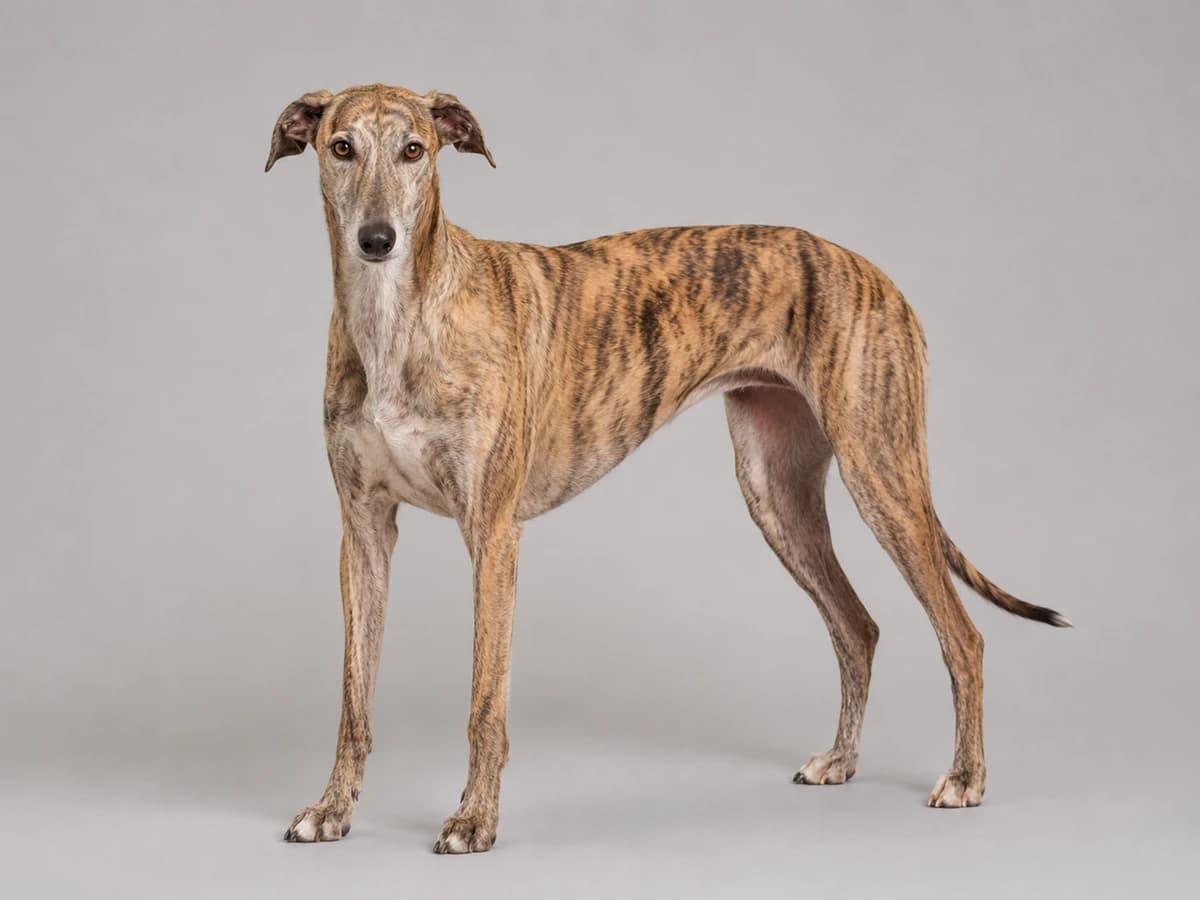
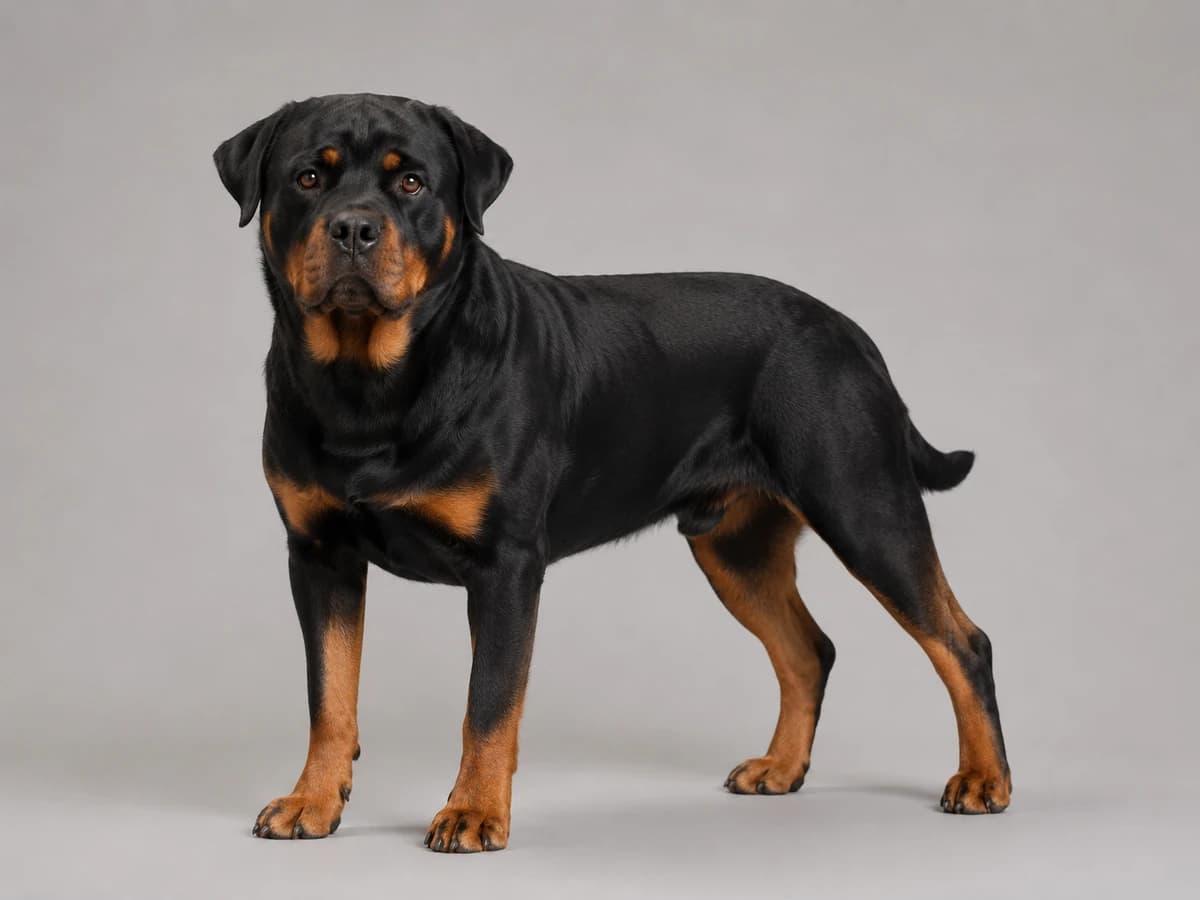
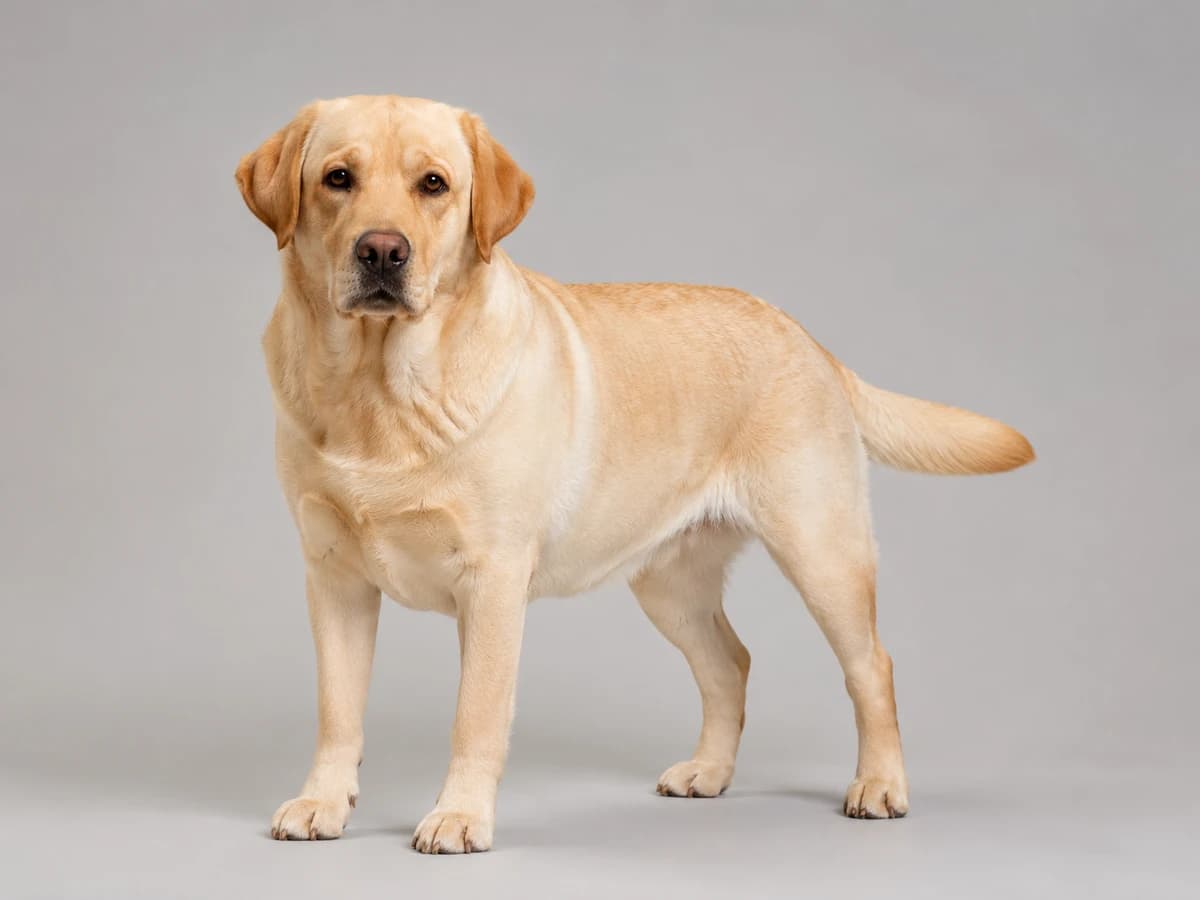
Create its digital profile and access the vaccination calendar, reminders and CanAI passport.
Create profile for free →Get answers about the feeding, health and care of the Akita Inu from a canine expert.
Chat with CanAI →📬 Dog tips, straight to your inbox
No spam. Just practical tips on health, food and behaviour.
No spam · Unsubscribe anytime · Privacy